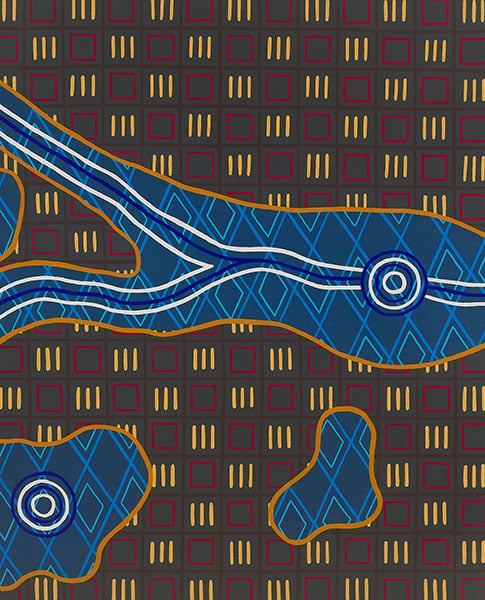
Our projects are driven by the diverse needs of the users – of all ages, genders and abilities – planning and designing for enduring multi-generational legacies.
Sports and recreation expertise
Sporting grounds and recreation facilities often become the heart of a community. We understand that each sports and recreation project, regardless of size and scale, is unique.

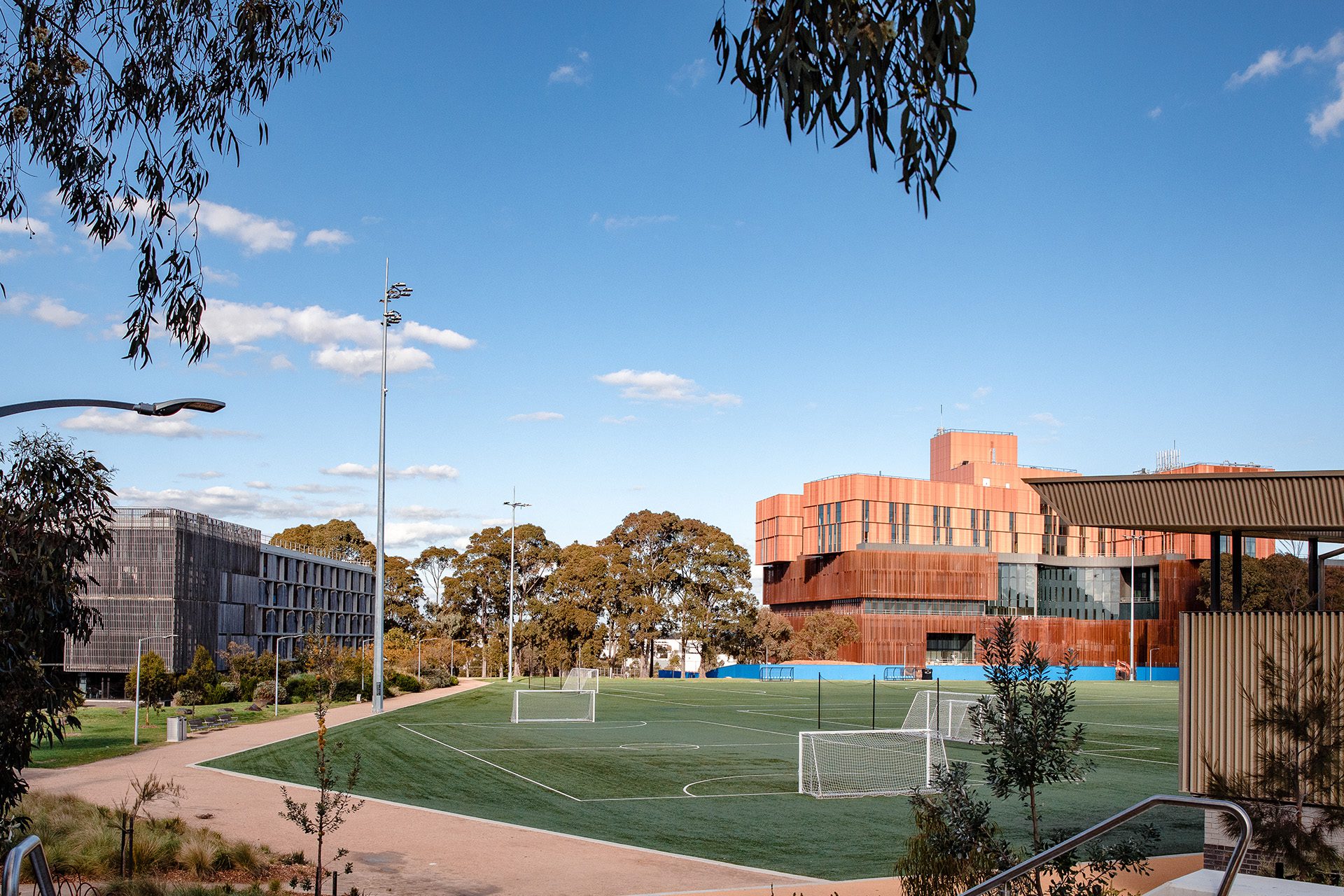
La Trobe University Sports Precinct, VIC

Melbourne Cricket Ground (MCG), VIC

Harrup Park Great Barrier Reef Arena, QLD
There is no ‘one size fits all’ approach – we deliver site-specific outcomes tailored to project and user requirements; whether a local community playground, or a multi-sports stadium precinct for elite international events.
- Brisbane 2032
- Legacy
- Stadiums and Arenas
- Campus Precincts
- Recreation Reserves
- Collaborative Approach
- First Nations Engagement and Cultural Expression
- Ecologically Sustainable and Climate Responsive

Brisbane 2032 Sketch
While sport has always been a force that unites us – in celebration of achievement, and to uplift each other – it also creates a catalyst for change. This is a critical moment to embrace sustainability, showing leadership by embedding climate, biodiversity and circularity principles from concept to delivery.
Connection to Country, place and culture are intrinsically linked to sustainability. Brisbane 2032 offers an opportunity capture the world’s attention, rethinking how we design and shape places with Country. Sport and culture can bring Australians and our international community together to learn, reflect, celebrate and strengthen reconciliation. The journey to 2032 is also an opportunity for deep engagement, self-determination, and for First peoples to share their knowledges, culture and story with the world.
Sport is for everyone. Brisbane 2032 demands exemplary design for accessibility and inclusion – to raise the bar and show what is possible when everyone can participate. The venues and places we create for Brisbane 2032 and beyond will lay the foundations for the next generations of young people to dream big and open up a new future.

Melbourne Cricket Ground, VIC
Over Tract’s 50 year history, we have worked on many of Australia’s most well known major sporting precincts, including the MCG, Melbourne Olympic Park, National Tennis Centre (Melbourne), Sydney Homebush Precinct (including the overall masterplan, hockey stadium, exhibition centre and public realm) and the Gabba.
These facilities have been home to major events such as the Sydney 2000 Olympic and Paralympic Games, the Australian Open, major AFL and cricket fixtures, and numerous international sporting endeavours. Our experience from these legacy projects informs our current portfolio of stadium and arena projects across Australia, through our culture of continuous learning and development.

Mars Stadium Upgrade, Ballarat - Visualisation by Cox Architects
For too long has the major sports facilities been active on a Saturday night and dead for the rest of the week. These precincts have greater demands on them now. Yes they need to move thousands of people in and out on game day but they must also be activated for the individual or groups of 2, 5 and 10 through the week. The landscape in these facilities are integral to connecting to the urban fabric and providing a true central hub for the community.
We are working on the latest sports stadiums and arenas, tailored the growing and changing needs of a diverse community in sports.

Monash University Sports Precinct, VIC
Sport is an integral part of campus life.
A campus has its own individual character formed by its location, geography, topography, climatic conditions and most importantly, its people.
By carefully considering these interwoven elements, we design campus facilities that cater to all ages, skills, and abilities.

Gledswood Hills, The Hermitage NSW
Our recreation reserves encourage health, fitness and social connection in our communities. Often multipurpose and adaptable, these spaces cater to a wide range of users while providing important biodiversity connections and environmental functions.

Internal Design Workshop
We are a multi-disciplinary firm with a team of Town Planners, Landscape Architects, Urban Designer and Media experts that are deeply passionate sports and recreation enthusiasts, who see the wider benefits of these precincts, and recognise there is no ‘one size fits all’ approach.
With national experience and offices in multiple states we deliver projects across the country, sharing resources and knowledge to ensure best practice and innovative solutions are achieved.
We are used to working on large teams to design state and nationally significant sports precincts, delivering a considered and coordinated design response. The collaborative approach between architecture, landscape, engineering and interiors is paramount to a successful project.

Welcome to Country Ceremony
We listen to community voices – their history, shared memories and traditions and we successfully collaborate with community leaders. Our process begins by developing an awareness of where we are, and centring the importance of place.
We work with First Nations representatives and artists to develop meaningful and culturally appropriate public expressions of culture. We cultivate First Nations connections beyond immediate project involvement, to build lasting relationships. This is especially important on sports precincts where the contribution of First Nations Sports people has long been undervalued and expressed.

La Trobe Sports Precinct, Bundoora VIC
Sports precincts traditionally deliver large flat concreted pads to move large numbers of people in and out of the area. We approach the project from a different angle, utilising 3D modelling to minimise earthworks and maximise tree retention. From there we specify low carbon alternatives and seek opportunities to bring tree canopy into the hard paved areas.
Our skilled landscape architects and horticulturalists select trees and plants that are tolerant of and resistant to climate change, heat, wind and drought and resistant to pests and diseases. We seek biodiverse palettes to ensure the health of flora and fauna is considered with the health of people.
Sports and recreation projects
We embrace our role as design and planning professionals to ensure our recreation and sports facilities are delivered with maximum impact for the community.
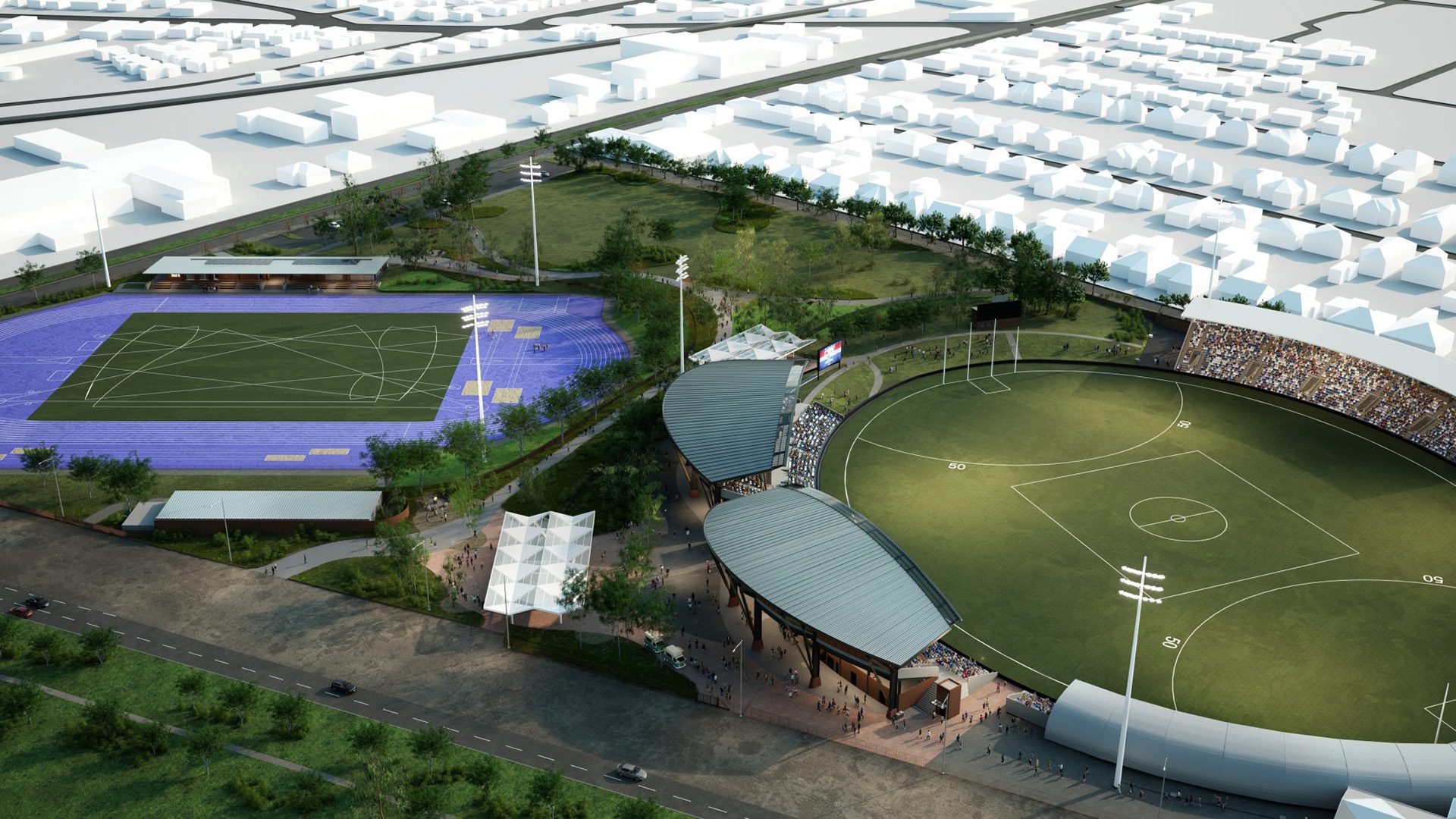
Ballarat Major Sports Precinct
Ballarat Major Sports Precinct
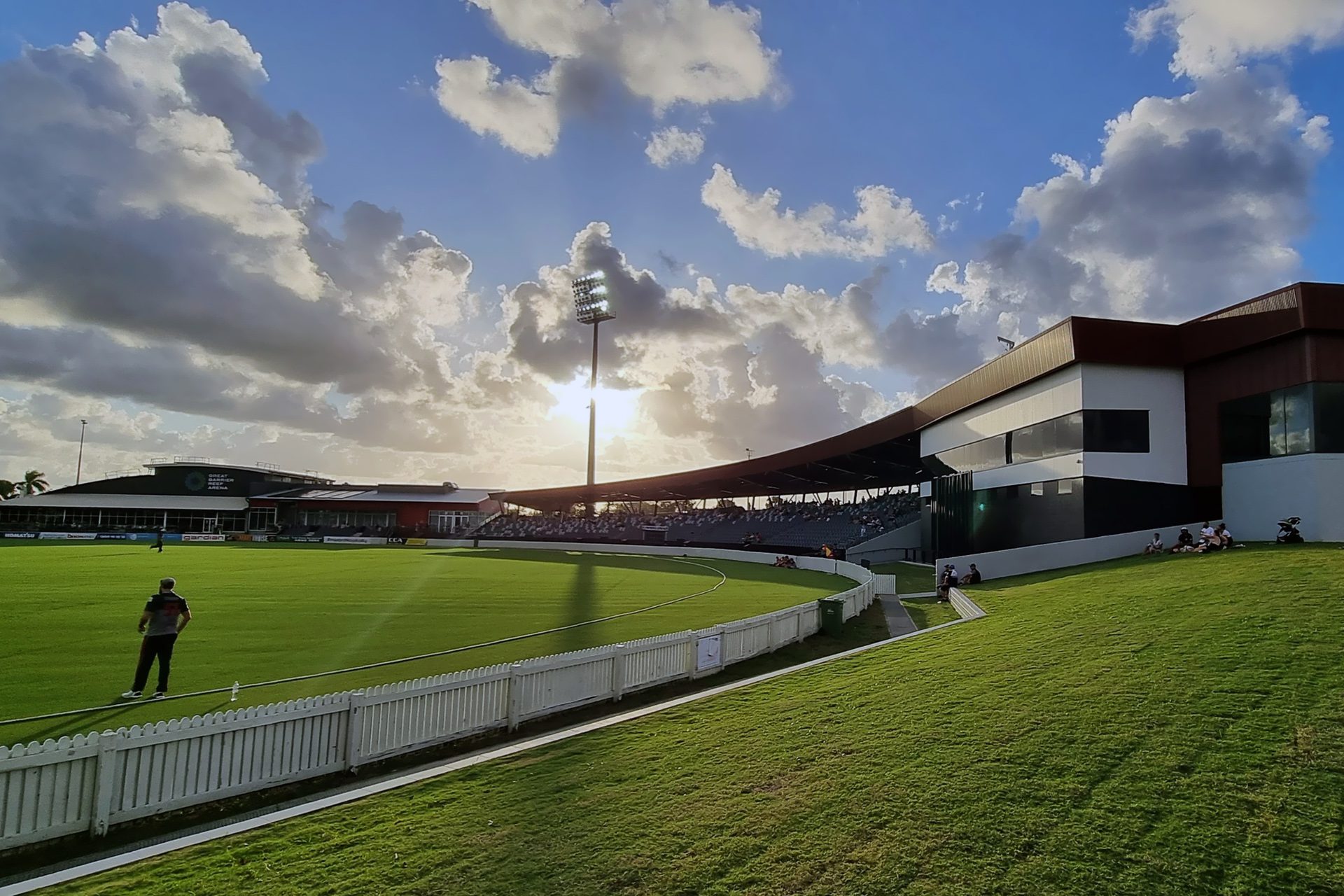
Harrup Park Great Barrier Reef Arena
Harrup Park Great Barrier Reef Arena
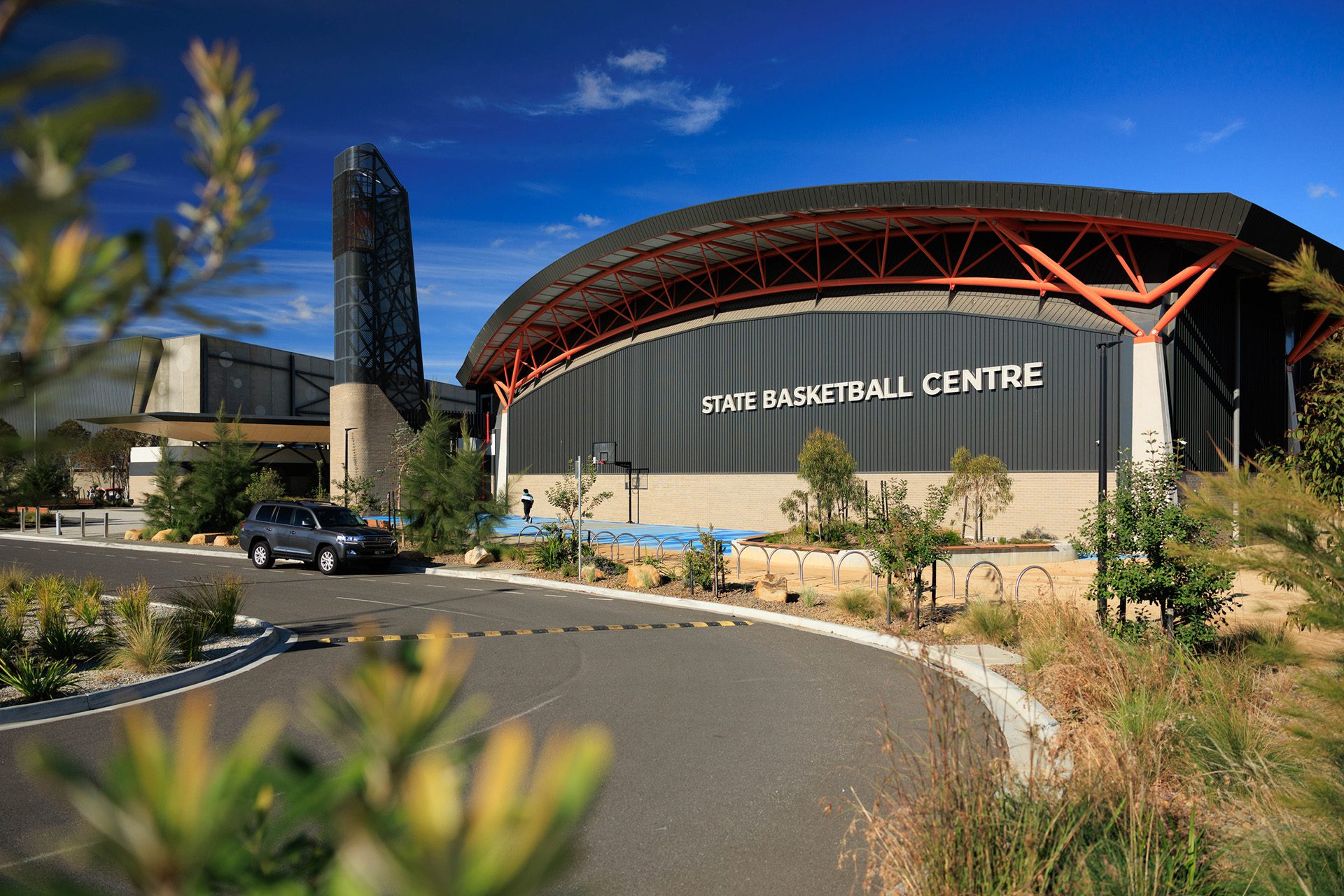
State Basketball Centre
State Basketball Centre
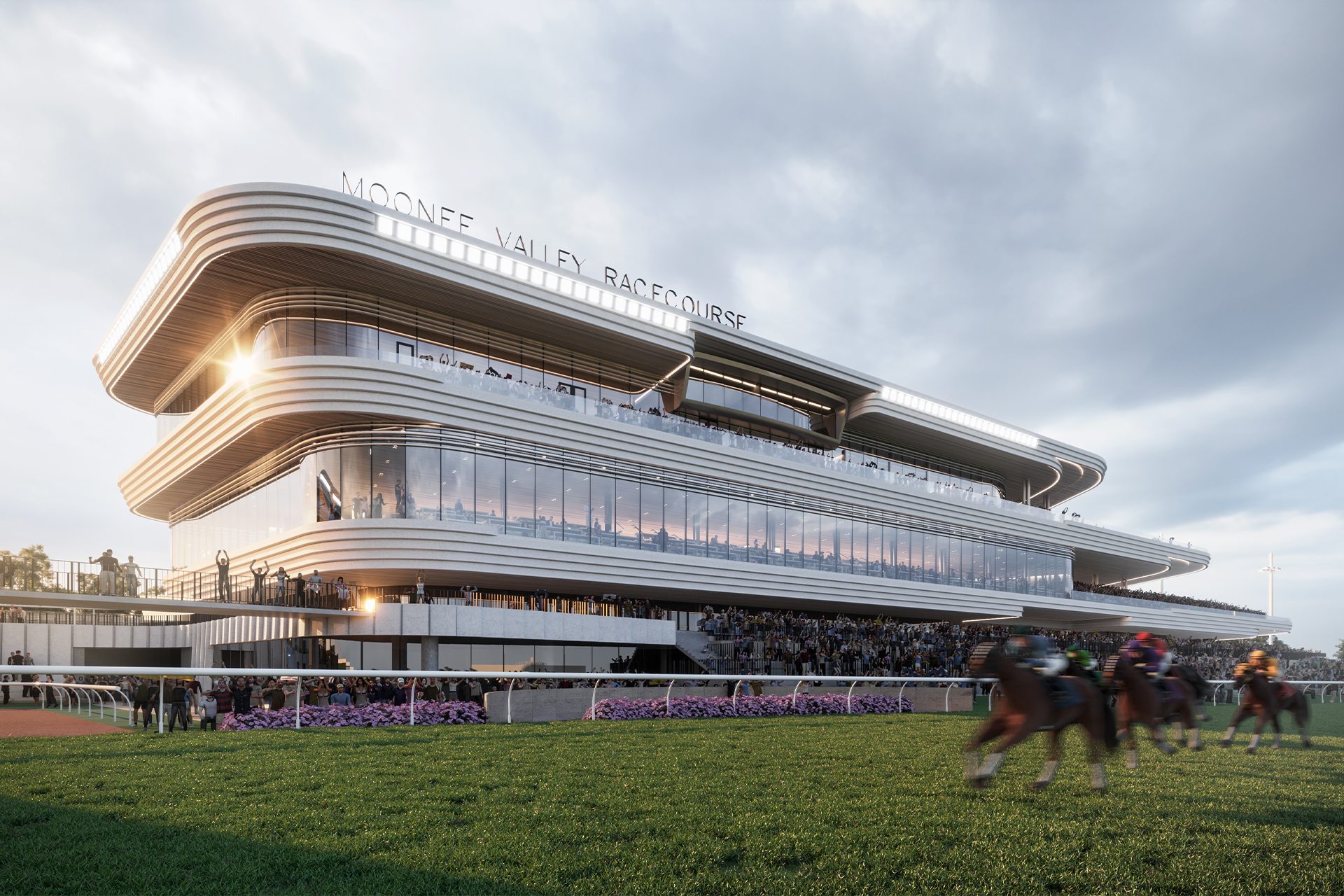
Moonee Valley Racecourse
Moonee Valley Racecourse
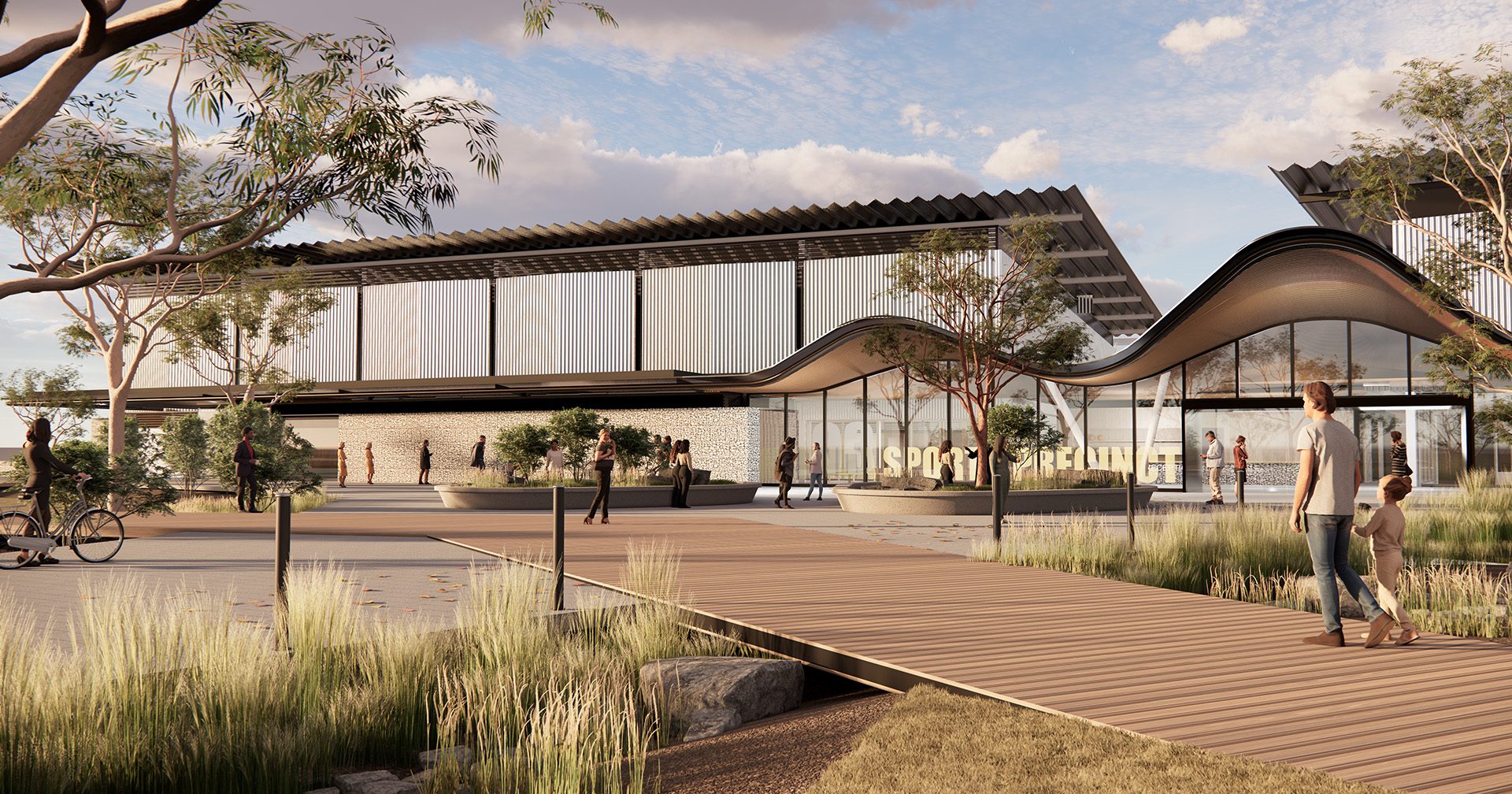
Mernda Regional Sports Precinct
Mernda Regional Sports Precinct
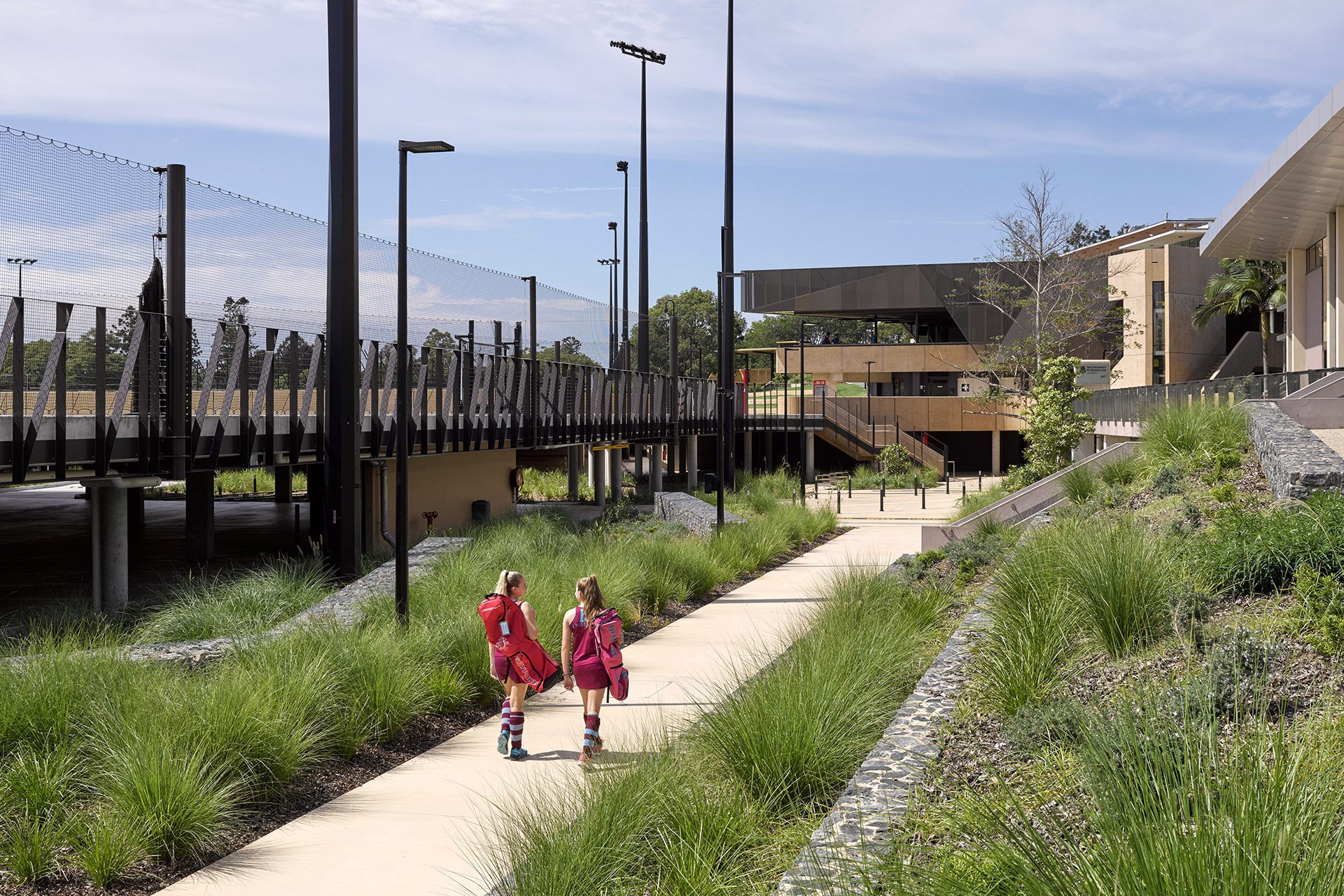
UQ Synthetic Sports Fields
UQ Synthetic Sports Fields
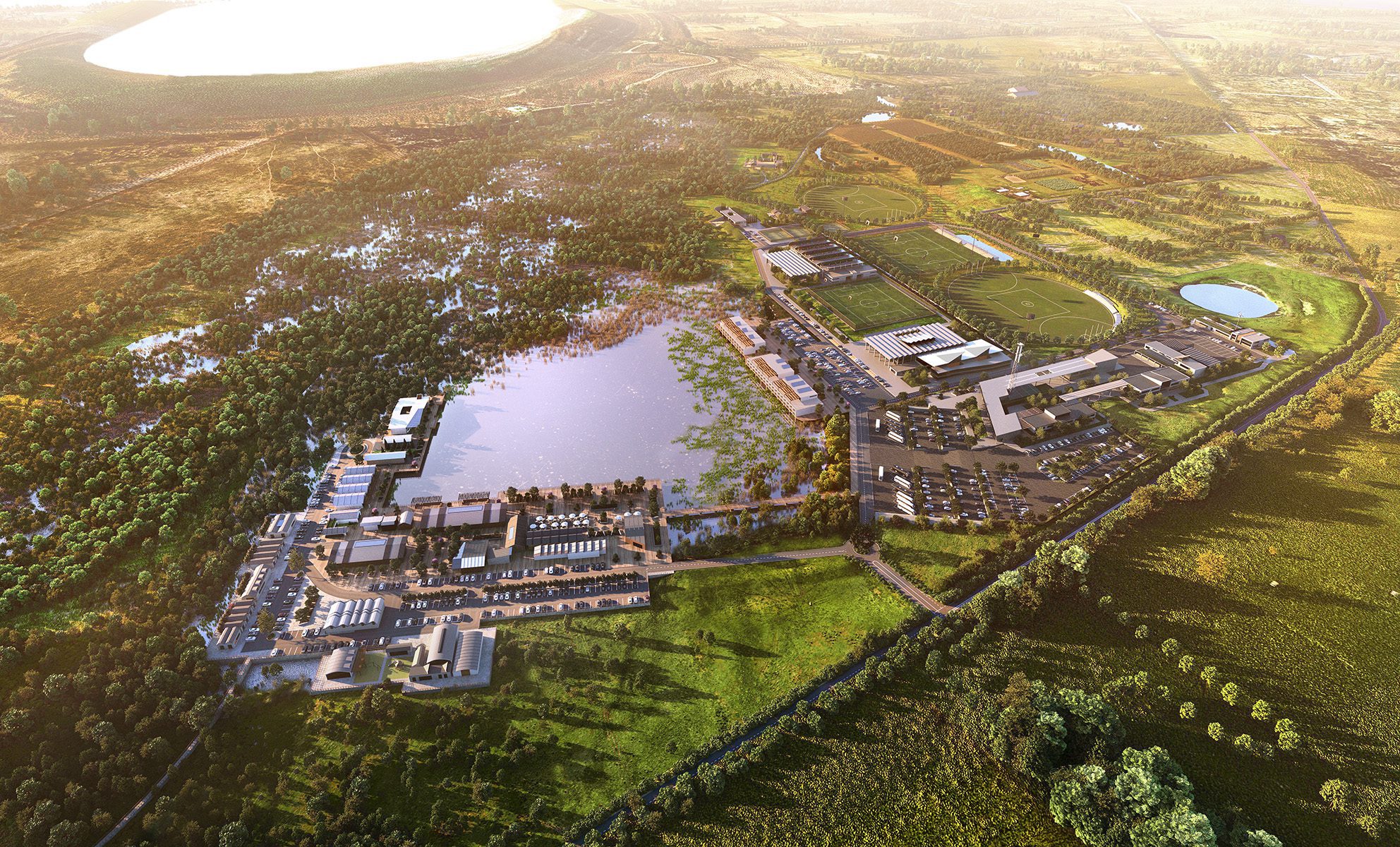
Cape Otway Road Australia
Cape Otway Road Australia
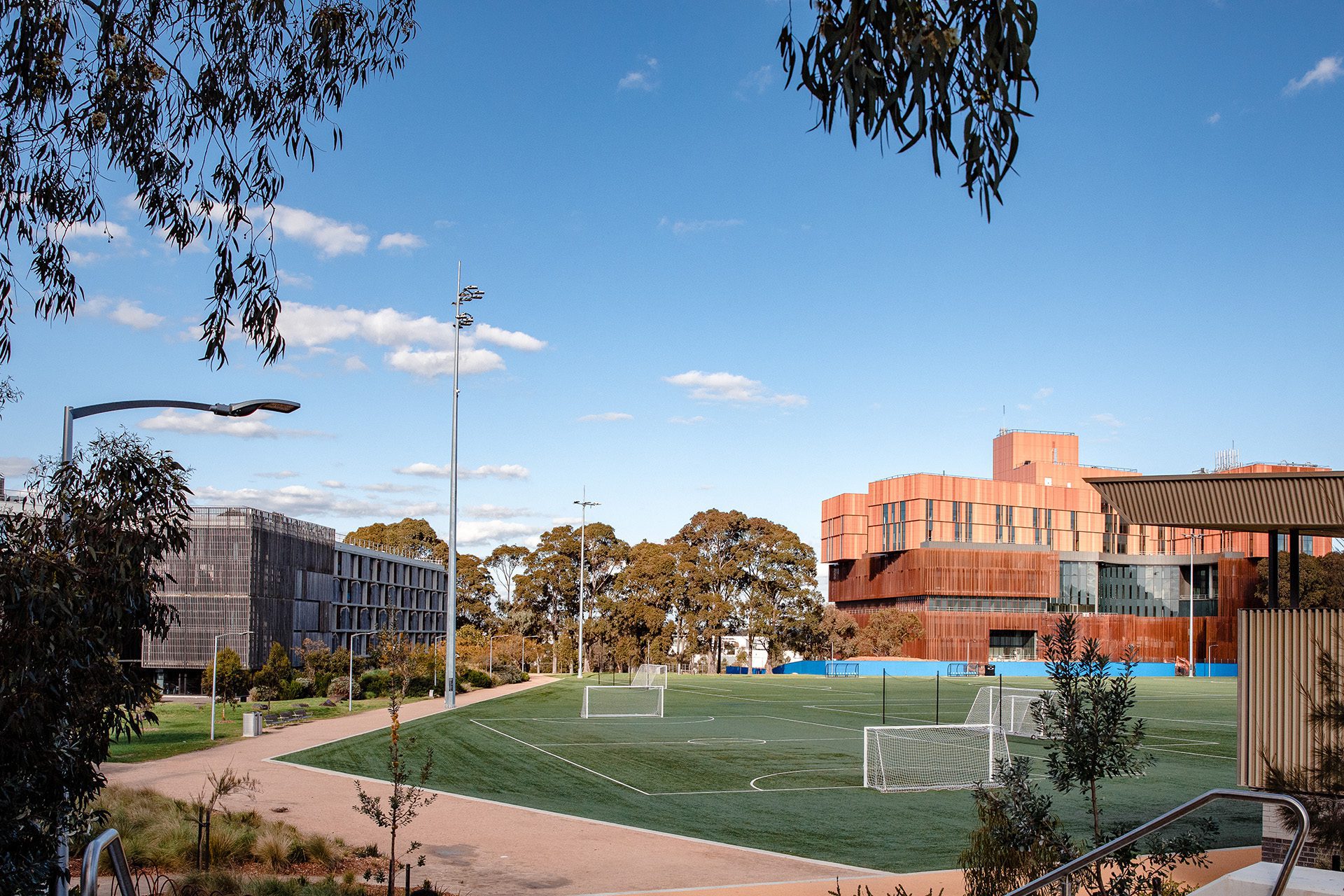
Monash University Sports Precinct
Monash University Sports Precinct
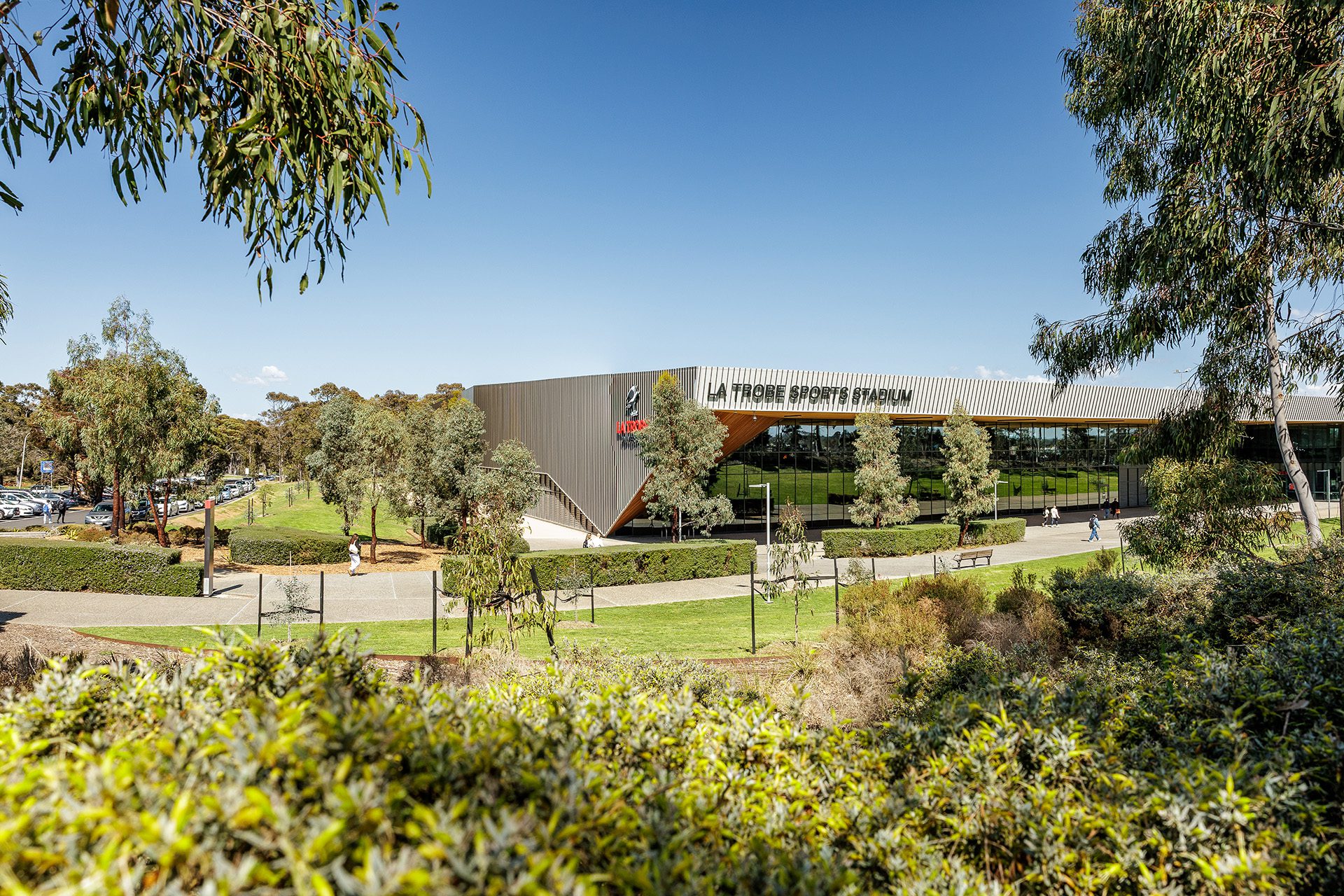
La Trobe University Sports Precinct
La Trobe University Sports Precinct
Sports and recreation leads
With national expertise across sport and recreation projects of all scales and types, our team understand what is required to support projects from concept to delivery.
Sector leads
Sector contacts

Jordan Kuiti
Principal Landscape Architect
Melbourne / Wurundjeri Country
jkuiti@tract.net.au

Meredith Hartigan
Senior Principal Town Planner
Brisbane / Turrbal & Yuggera Country
mhartigan@tract.net.au
Cameron McDonald
Associate Landscape Architect
Melbourne / Wurundjeri Country
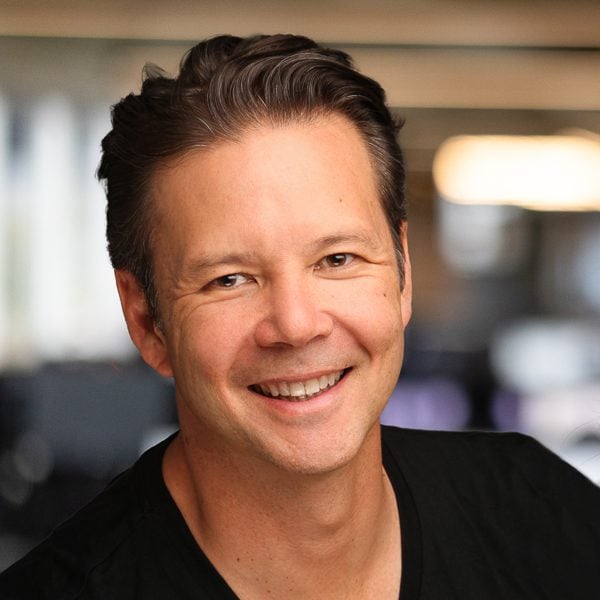
Deiter Lim
Managing Director, Landscape Architect
Melbourne / Wurundjeri Country
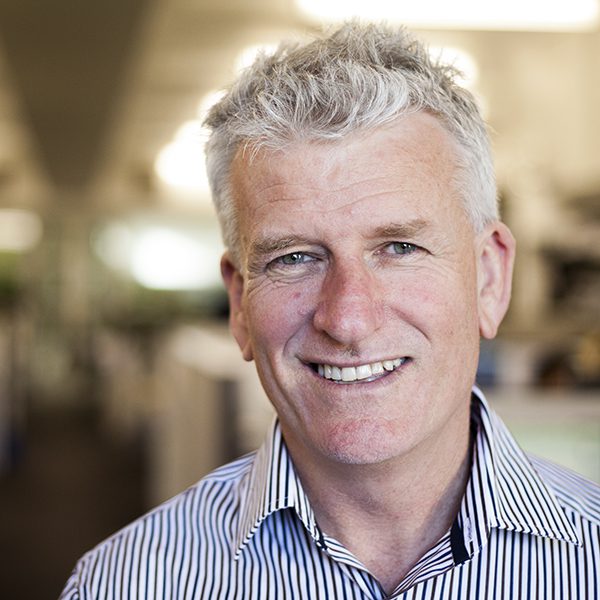
Graeme Harvison
Director of Town Planning & Landscape Architecture
Brisbane / Turrbal & Yuggera Country

Leah Tait
Senior Principal Landscape Architect
Brisbane / Turrbal & Yuggera Country

Linda Hoang
Principal Landscape Architect
Sydney / Gamaragal Country

Nathan Noack
Principal Landscape Architect
Adelaide / Kaurna Country

Patrick Nispel
Principal Urban Designer
Sunshine Coast / Kabi Kabi & Jinibara Country
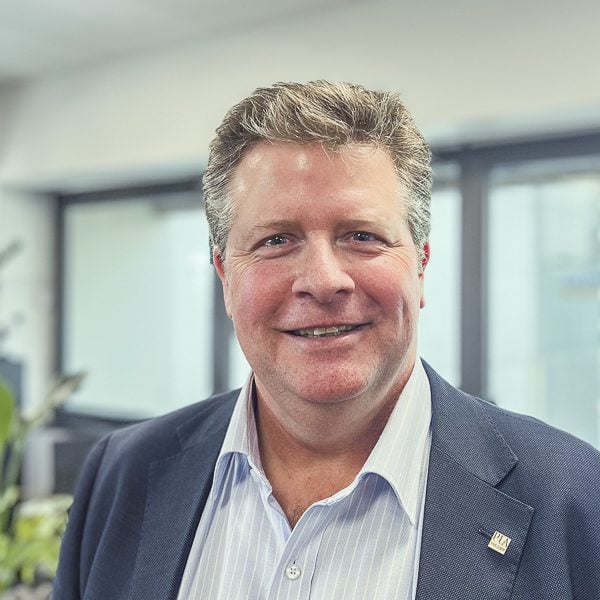
Peter Gill
Senior Principal Town Planner
Brisbane / Turrbal & Yuggera Country