

Client
Nature Based Cities
naturebasedcities.org.au
Nature Based Cities Design Guidelines & Scorecards
New CommunitiesUrban ResidentialStrategy and Spatial Analysis
Collaborators
ARK Resources
Nature Advisory
Icon Science University of Melbourne
Disciplines
Landscape Architecture
Media
Guidelines
Medium & High Density
New Communities
Scorecards
Medium & High Density
New Communities
Date
2025
Nature Based Cities envisions a future where cities are developed in harmony with nature. Based on research, and developed by experts, the Nature Based Cities Design Guidelines enable developers to achieve their ESD goals by ‘majoring in nature’.


The built environment is uniquely positioned to respond to the twin crises of climate and biodiversity loss. Nature Based Cities (NBC) was established in 2022 with a mission to ensure our cities are defined by nature, recognising its benefits including urban biodiversity, climate resilience through urban cooling, water use and carbon sequestration, and human health, wellbeing and financial benefits.
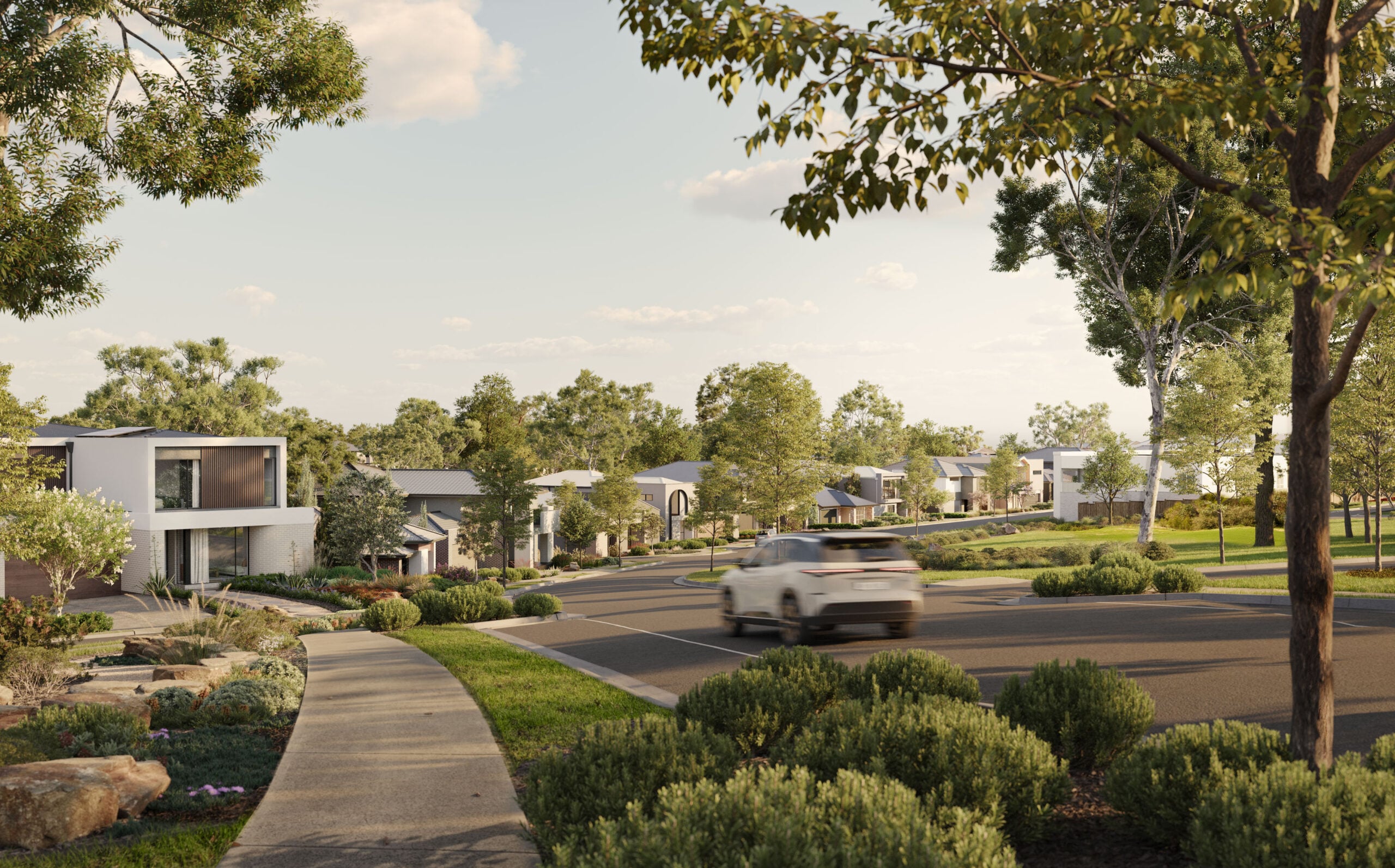
Two sets of guidelines and scorecards have been tailored for New Communities (launched in 2026) and Medium and High Density Residential (launched in 2025).
Developed by expert practitioners in landscape architecture and ESD in consultation with leading residential developers, the Guidelines provide advice on how to integrate nature into development. The Scorecards provide an assessment framework for accreditation, enabling developers to demonstrate credible excellence in nature-positive design and differentiate themselves in the market.

The Kunming-Montreal Global Biodiversity Framework, adopted at Biodiversity COP15 at the end of 2022, sets out an ambitious pathway to a world living in harmony with nature. Target 12 reads: “Significantly increase the area, quality and connectivity of, access to, and benefits from green and blue spaces in urban and densely populated areas…”.
NBC envisions a future where cities are developed in harmony with nature. Its Design Guidelines and Scorecards support tangible progress towards this vision, through a quantifiable, scalable framework that developers and industry can implement with confidence.

While many nature and biodiversity strategies exist, most of them apply to public land, not private development. Development approvals focus largely on canopy cover and deep soil, usually with no requirements to enhance biodiversity or ecological connectivity.
Meanwhile, ESD rating tools focus largely on climate impacts, while nature and biodiversity targets are not always mandatory and are often overlooked in urban development.
NBC addresses this gap by focusing on the retention and inclusion of high-value vegetation and ecological communities on site. For developers, the framework can support faster approvals, stronger marketing outcomes and potentially higher returns through improved pricing and sales velocity.


Tract partnered with Ecologists (Nature Advisory) and ESD Consultants (ARK Resources) to embed ecological best practice and align the framework with ESD rating tools. Academic peer review by Icon Science ensured alignment with current research.
Developers across VIC, NSW, QLD and SA have been engaged through roundtables, in partnership with The Urban Developer, alongside presentations to industry bodies including the UDIA, GBCA and local and state government authorities to build awareness and encourage adoption of the framework in development approvals.

The NBC Scorecards are the first accreditation system in Australia that focus on nature.
Each of the 10 criteria aspires to the best achievable outcome for developers, drawing on research and industry experience. The Scorecards are designed to maximise each project’s nature potential, including early site planning oriented towards views and access to nature, canopy cover, mid and understorey planting, habitat and ecological connectivity, and biodiversity.
The Guidelines encourage the engagement of landscape architects from project commencement, positioning landscape architecture as a key profession in responding to the biodiversity crisis and associated climate impacts.
Since the launch of the Guidelines, Tract and NBC have participated in advocacy with developers, industry groups and government authorities to promote the importance of nature and the role of landscape architects in managing impacts to nature in urban development.


As a result of this advocacy, the UDIA has adopted the Scorecard within its EnviroDevelopment Excellence Technical Standards in the Nature Positive category. According to EnviroDevelopment, these standards recognise
“projects that set a new benchmark in sustainable development…Excellence recognises projects that go beyond the core certification to acknowledge projects that meet rigorous, best practice standards and deliver truly exceptional environmental outcomes.”


An NBC accredited project can also receive 4-6 Greenstar points in the Impacts to Nature and Biodiversity Enhancement categories.
Four Medium and High-Density projects (two in VIC, two in QLD) have received accreditation since the Scorecard was launched in 2025, with the first Exemplary project recently commencing construction. Several other projects, including New Communities, have started the process.
By increasing canopy cover, improving biodiversity, providing habitat for urban wildlife and supporting human health and wellbeing, these projects demonstrate NBC’s positive influence on outcomes for people and nature.
More in this series
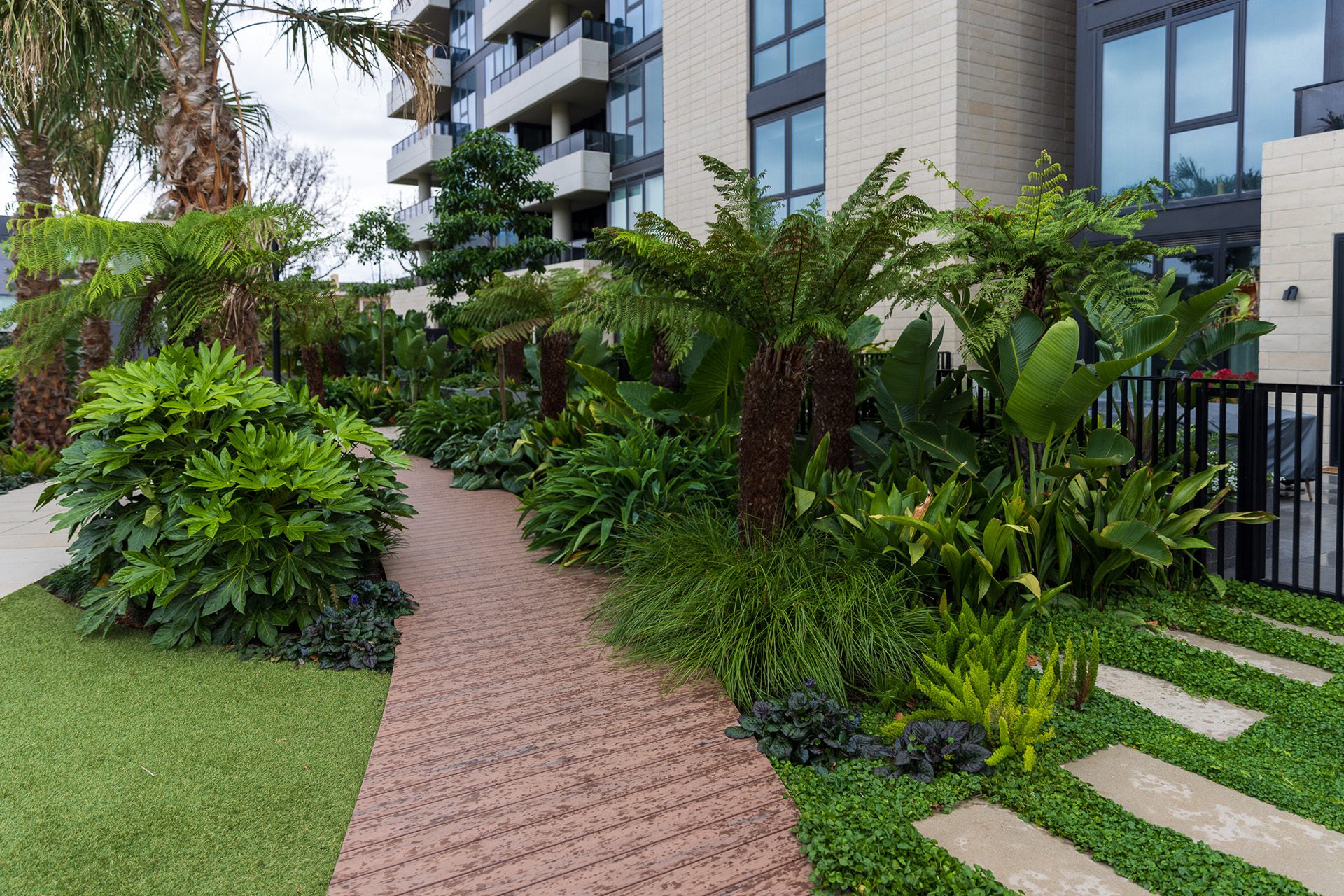
Nature Based Cities: Living Landscapes for Urban Environments
Nature Based Cities: Living Landscapes for Urban Environments
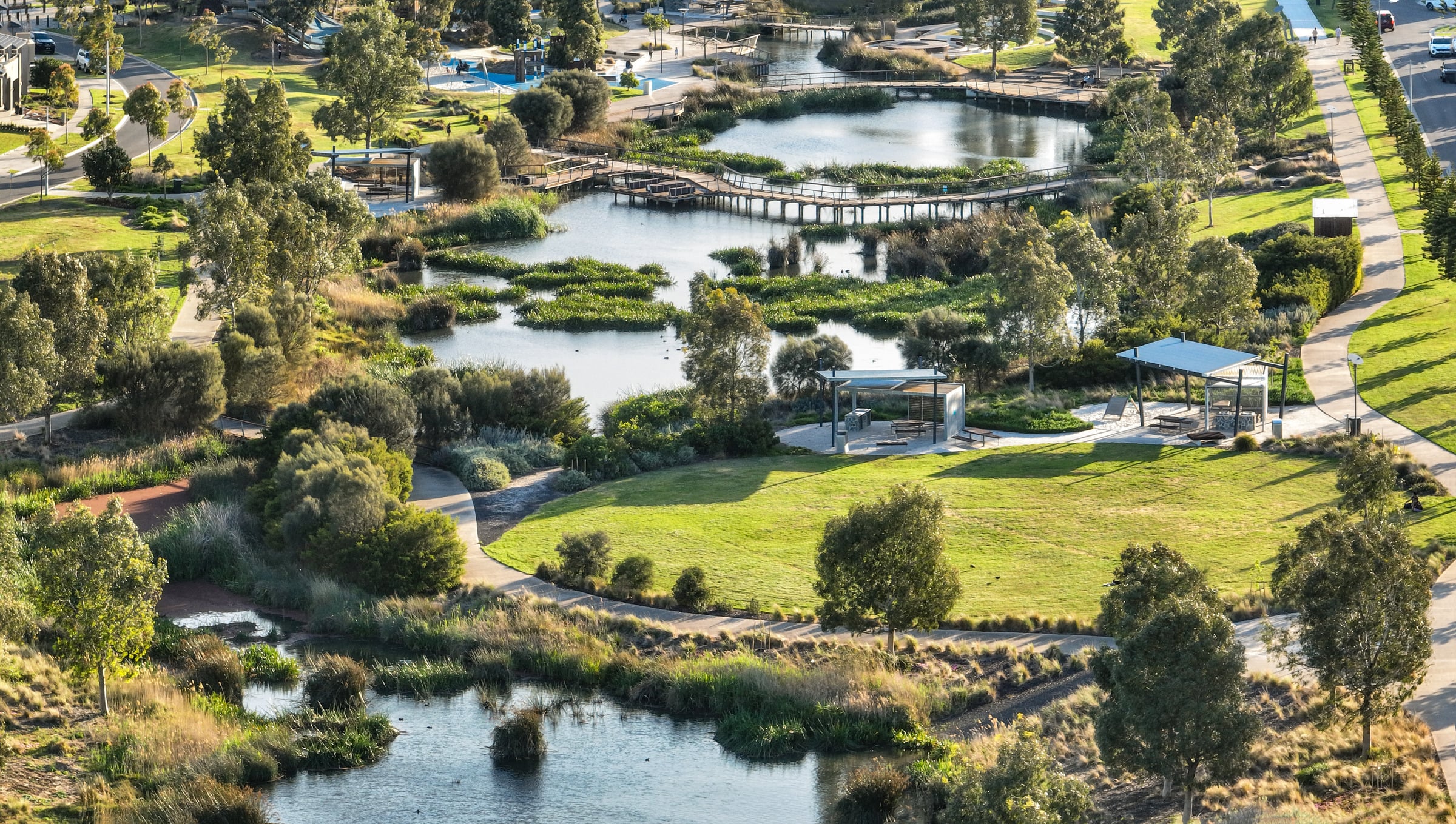
New Nature-Positive Benchmark Targets New Communities
New Nature-Positive Benchmark Targets New Communities
The latest
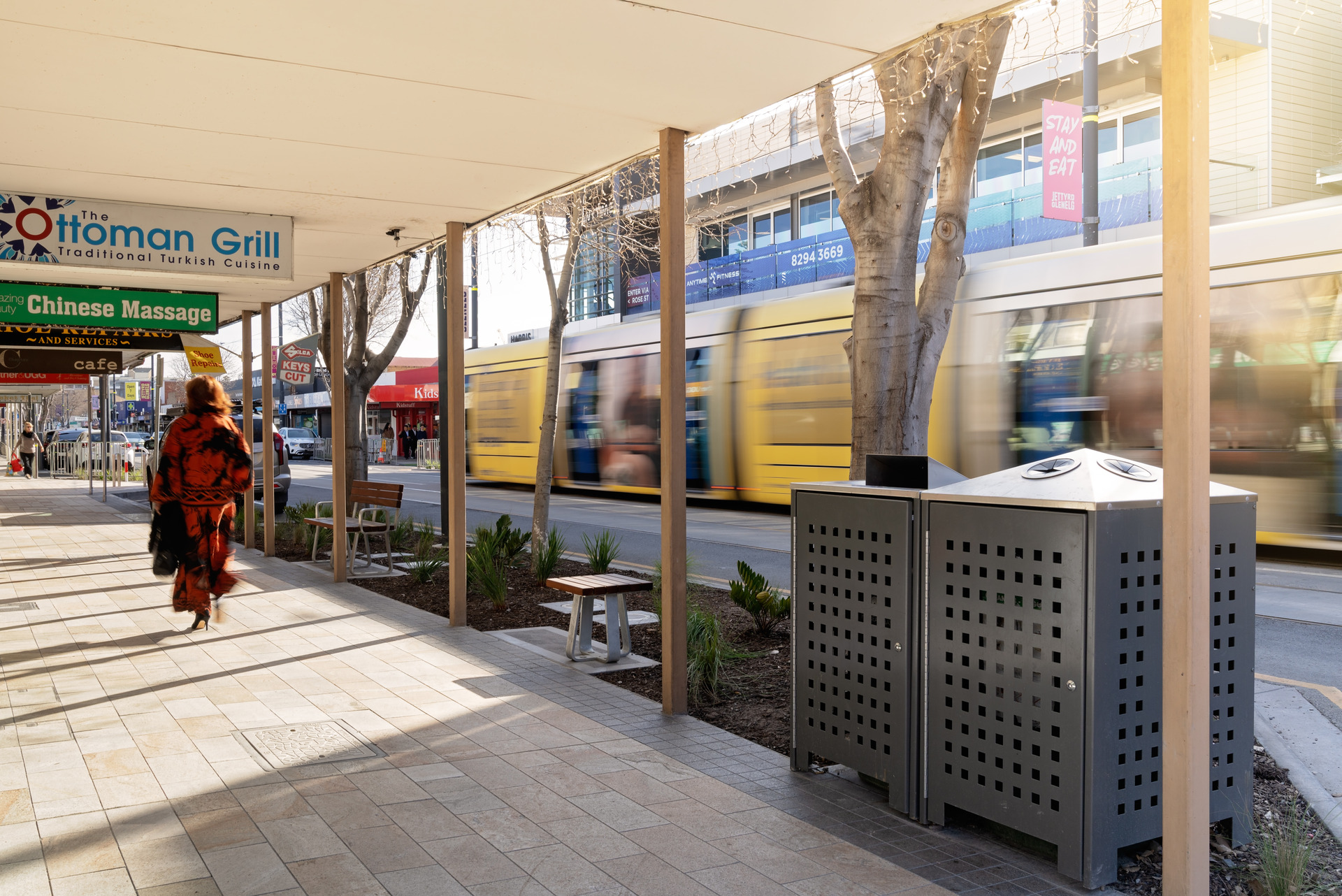
Jetty Road, Glenelg
Jetty Road, Glenelg
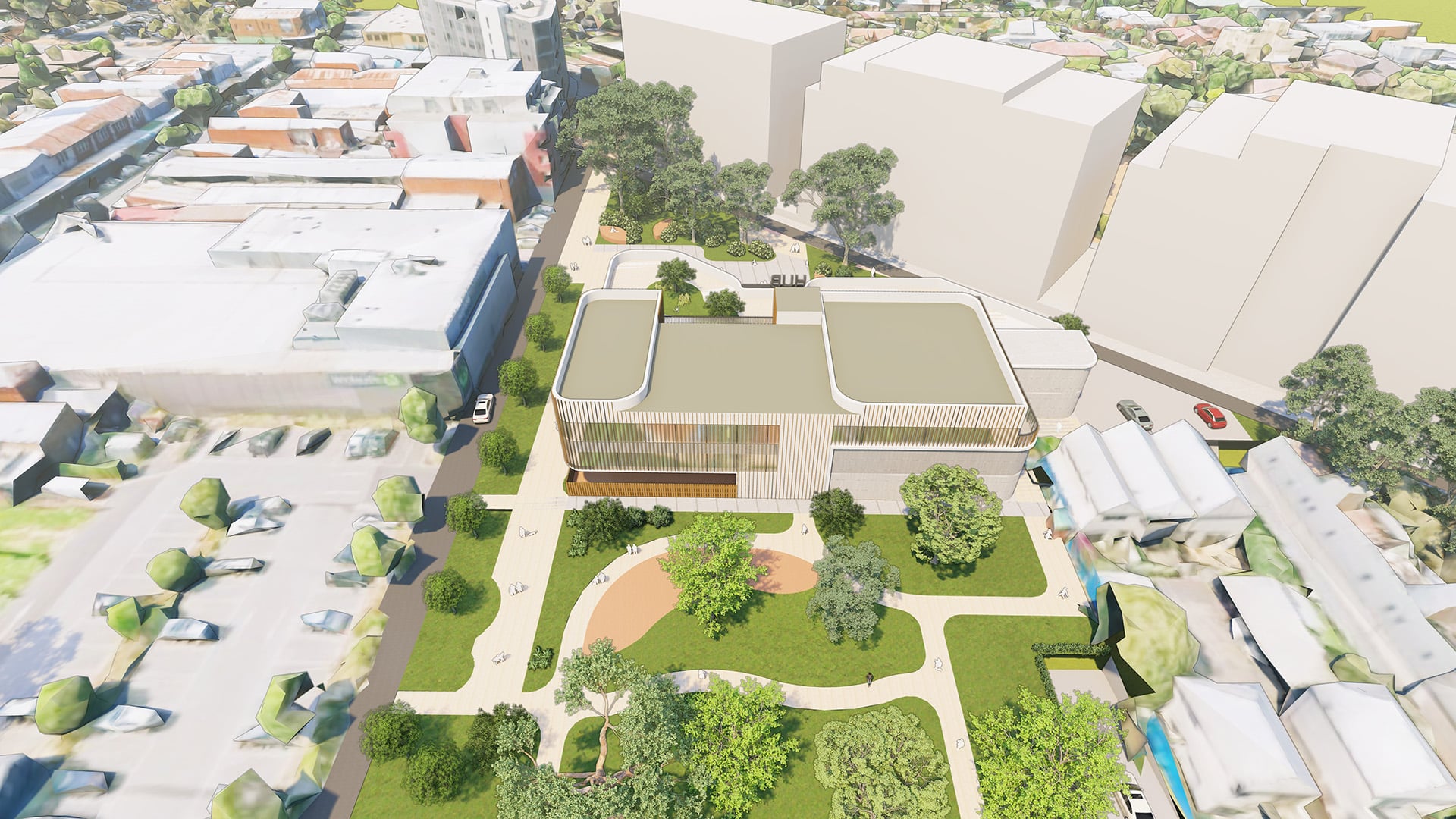
Hampton Hub
Hampton Hub
Kingswood Estate, Dingley Village